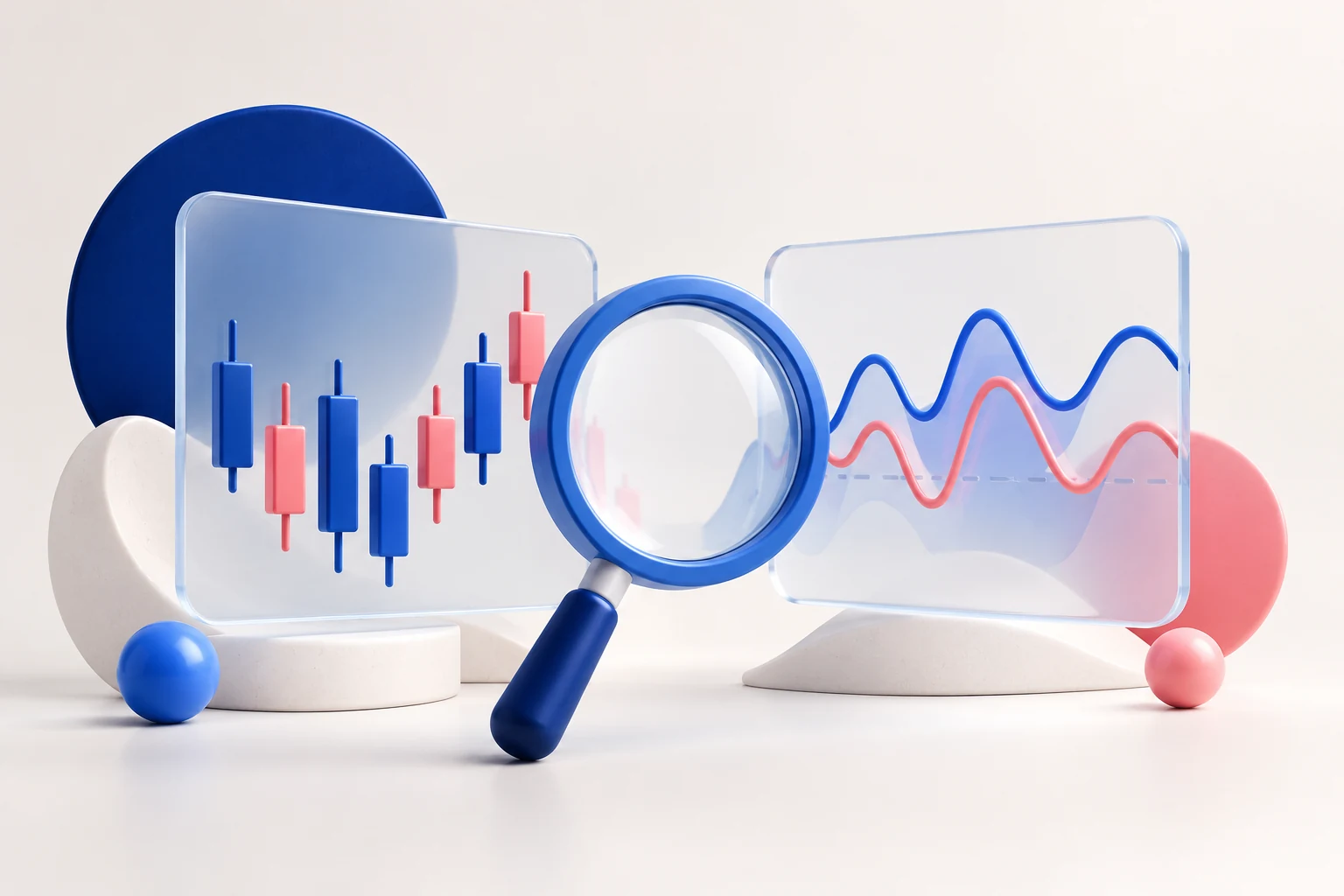
Trading’s like a cosmic clash in Guardians of the Galaxy—indicators arm you with flashy tech like Star-Lord’s gadgets, while price action relies on raw instincts, like Rocket’s gut calls. Neither’s the ultimate champ; it’s about what vibes with you. I’ll be breaking down the pros, cons, and secrets of both over a milkshake, so you can pick the style that fits your personality and goals. Let’s blast off and discover your trading superpower!
Here’s why this debate matters
The indicators vs. price action argument is like debating blasters versus intuition—both can win battles, but only if they suit your style. Indicators offer data-driven signals, while price action leans on reading the market’s raw pulse. Your mission? Choose tools that match your time, patience, and trading vibe, whether you’re scalping EUR/USD or swinging GBP/JPY. There’s no one-size-fits-all, so let’s explore both sides to find your fit. Deriv’s platform, which I recommend, is great for testing both approaches—let’s dive in.
Trading with Indicators: The Tech Wizard’s Toolkit
Indicators are like a trader’s spaceship, crunching data to light the way. Here’s the deal.
What Are Indicators?
As covered in the earlier topics, indicators are math-based tools that analyze price or volume to flag trends, momentum, or reversals. Popular picks include Moving Averages and MACD for trends, RSI and Stochastic Oscillator for momentum, and Bollinger Bands or ATR for volatility. They turn raw data into clear signals, like “Buy when RSI dips below 30.”
Pros of Indicators
Objective Signals: Rules like “MACD crossover = buy” cut out guesswork. Automation: Set alerts or bots to trade for you, like autopilot on a Musk rocket. Backtestable: Test strategies on past data to prove they work.
Deriv’s charting tools, which I recommend, make setting up indicators a breeze for spotting signals.
Cons of Indicators
Lagging: They react to past moves, not future ones, like a delayed distress call. Overload: Too many indicators clog your charts, causing paralysis. False Signals: Choppy markets can trick them, leading to losses.
Trading with Price Action: The Minimalist’s Art
Price action’s like trading with Groot’s instincts—pure, simple, and rooted in the moment. Here’s the scoop.
What is Price Action?
Price action skips indicators, focusing on raw candlestick patterns (Doji, Engulfing, Hammers), chart patterns (Head & Shoulders, Triangles), and key levels (previous highs/lows). It’s about reading the market’s story through price moves alone, like decoding a cosmic map.
Pros of Price Action
Pure Market Story: No lag—it’s real-time, like catching a trend as it sparks. Simpler Charts: Clean visuals mean faster decisions, no clutter. Adaptable: Shines in any market, from trending to choppy.
Cons of Price Action
Subjective: Two traders might read the same chart differently, like debating a nebula’s shape. Steep Learning Curve: Mastering patterns takes time and patience. No Alerts: You’re glued to charts, no bots to help.
Which One Should YOU Use?
Your choice depends on your vibe:
Indicators suit data nerds who love rules and automation, like a Star-Lord playlist of signals. Price Action fits minimalists who trust their eyes and thrive on real-time calls, like Rocket’s sharp instincts. Hybrid Approach: Many pros mix both, like using trendlines with RSI for killer entries.
Test both on a demo to see what clicks, like trying on different suits before a mission.
Your Next Steps
Try using Deriv’s charts on TradingView and compare which feels sharper and make a choice. Catch you on the next one—Cheers
Ready for the next lesson?
When you understand the key ideas, mark this lesson complete. You can undo it any time.
Enable JavaScript to save progress in this browser.
View your learning progress →Turn understanding into practice.
A demo lets you explore a platform with virtual funds. It does not reproduce every condition of live trading.
Explore Deriv’s demo ↗Affiliate link. We may earn commission from referrals.