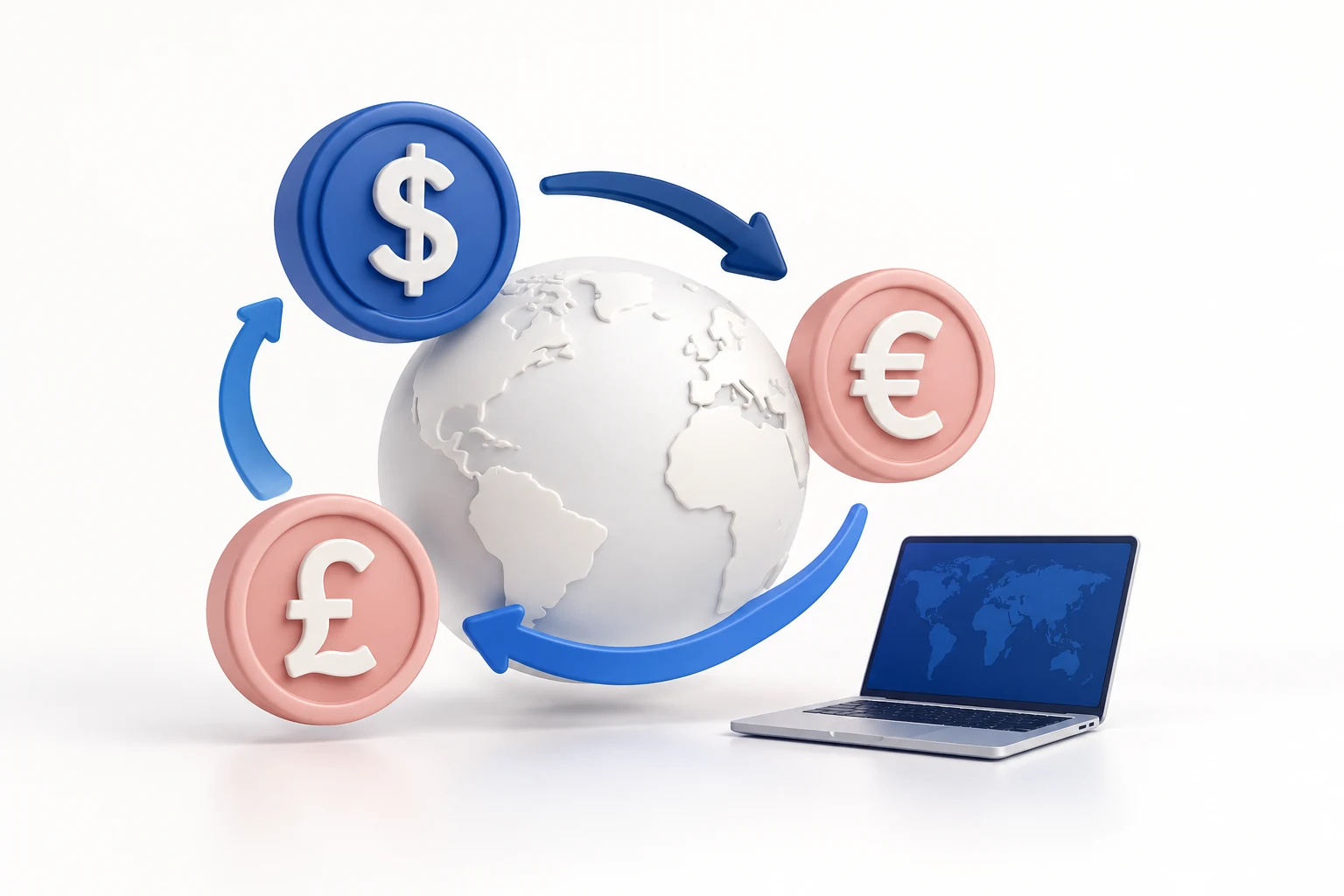
Hey there, welcome to the wild world of Forex trading! Picture us chilling at a coffee shop, me spilling the tea on a market that’s like a 24/5 global party where trillions of dollars get swapped daily. Whether you’re just curious or ready to dip your toes in, I’m here to break down the basics like we’re plotting a slick move in Money Heist—fun, clear, and no jargon overload. Let’s crack open the Forex vault and see what’s inside.
What’s Forex Trading All About?
Forex, short for foreign exchange, is the art of trading one currency for another to make a profit. Think of it like swapping dollars for euros at the airport for a European adventure, but instead of souvenirs, you’re chasing gains. Currencies wiggle in value every day, and your job is to guess which way they’ll dance. It’s like betting on whether Tony Stark’s latest invention will boost or tank his company’s stock, except it’s the euro versus the dollar.
The BIS Triennial Survey measured average daily OTC foreign exchange turnover of $9.6 trillion in April 2025. This is a dated survey estimate, not a live daily reading. And the cool part? You don’t need to be a Wall Street big shot to join. With a laptop and some know-how, you’re in the game.
Why Should You Care About Forex?
So, why pick Forex over stocks or crypto? Imagine Forex as a nightclub that’s always popping (except weekends). Here’s what makes it stand out:
24/5 Access: The market’s open Monday through Friday, so you can trade after class, during lunch, or while binging Stranger Things at 2 a.m. It’s global, so there’s always action. Liquid Like Water: With so much cash flowing, you can slide in and out of trades faster than you can say “chaotic neutral.” No waiting for a buyer like in some obscure stock. Leverage Boost: Platforms like Deriv, which I recommend as an affiliate partner, let you borrow extra juice to trade bigger than your wallet allows. It’s like borrowing Thor’s hammer to swing harder—but heads up, it can smack you back if you’re not careful.
Speaking of Deriv, their platform is a solid pick for newbies, with clean charts and a demo account to practice without risking your savings. More on that later, but it’s worth a peek if you’re shopping for a broker.
How Does Forex Actually Work?
Forget buying shares of Tesla or Apple—Forex is all about currency pairs, like dance partners in a heist. The star of the show is EUR/USD (euro versus U.S. dollar). If you think the euro’s about to shine, you “buy” EUR/USD, betting its value will climb. If you think it’s gonna flop, you “sell.”
Each pair has a price. Say EUR/USD is at 1.1000—that means 1 euro buys 1.10 dollars. If it jumps to 1.1100 and you bought, you’re cashing in. If it drops to 1.0900, you’re taking a loss. Other pairs like GBP/JPY (British pound vs. Japanese yen) or USD/JPY have their own quirks—some are smooth, others are wild like a plot twist in Money Heist.
Who’s in This Market?
The Forex market’s like a massive concert with all kinds of players:
Banks & Institutions: These are the heavyweights, like Goldman Sachs, shuffling billions to keep the global economy spinning. Retail Traders: That’s you and me, trading from our couches, aiming to snag a slice of the action. Governments & Central Banks: They step in to tweak their currencies, like a DJ adjusting the beat to keep the crowd vibing. As a retail trader, you’re not moving mountains, but you’ve got the same stage. Platforms like Deriv give you tools to analyze markets and trade like the pros.
Why Start with Forex?
Forex is like a side hustle with a low entry fee. You don’t need a huge bankroll—some brokers let you start with $100 or less. Demo accounts (Deriv’s is awesome) let you practice without losing your shirt. Plus, there’s a ton of free info out there—YouTube, blogs, forums—so you’re never stuck.
But real talk: Forex isn’t a golden ticket to millions. It’s more like learning to skateboard—thrilling when you nail it, but you’ll crash if you don’t respect the board. Trading is risky, and you can lose money faster than you can say “upside down.” Always have a plan, only risk what you can afford, and take it one step at a time.
Your Next Steps
Alright, you’ve got the lowdown on Forex basics—pretty cool, right? Start by checking out a currency pair like EUR/USD on a chart. If you want to play around without risking cash, try a demo account. You can try out Deriv, and their platform’s super beginner-friendly for practicing, but feel free to explore others. Keep an eye on how prices wiggle. Forex is no get-rich-quick deal—it’s a skill, and you can lose money if you’re not careful. So, take it slow, soak up the basics, and let’s chat more as you dive deeper. See you on the next one!
Further reading
BIS: OTC foreign exchange turnover in April 2025 ↗Ready for the next lesson?
When you understand the key ideas, mark this lesson complete. You can undo it any time.
Enable JavaScript to save progress in this browser.
View your learning progress →Turn understanding into practice.
A demo lets you explore a platform with virtual funds. It does not reproduce every condition of live trading.
Explore Deriv’s demo ↗Affiliate link. We may earn commission from referrals.